

How to Choose Durable Hunting Gear Materials
Compare durable hunting gear fabrics and construction, then follow care steps that extend its life. Learn which materials last longest in the field.

In this article
Last Updated: November 5, 2026
Quick Summary
Choosing durable hunting gear materials means matching fabric to your terrain and weather first, then comparing construction details like double stitching, taped seams, and reinforced knees, seat, and cuffs. Wool wins for base layers and odor control, while synthetics win for durability, quick drying, and cost. Judge the whole build, not the fabric name alone.
- Match your outer fabric to the worst weather you expect, not the average day.
- Merino wool dries slower, costs more, and wears faster in high-friction spots than synthetics.
- Reinforced knees, seat, and cuffs are where durable pants prove themselves.
- Double stitching and bar-tacked stress points hold up far better than single rows.
- Save the lightest materials for your pack and shell, and keep durable fabric at knees, seat, and shoulders.
Table of Contents
- Start With Your Environment, Not the Fabric
- The Best Material for Hunting Clothes: Wool vs. Synthetics
- Durable Hunting Clothing for Harsh Conditions
- Construction Details That Separate Real Durability From Marketing
- Ultralight Hunting Gear Without Sacrificing Durability
- How to Care for Hunting Clothes So They Last
- Build a Layering System Around Durable Materials
- Shop Durable Gear Built for the Field
- Frequently Asked Questions
Start With Your Environment, Not the Fabric
Durable hunting gear starts with your terrain and weather, not the fabric label. Choosing durable hunting gear materials comes down to matching fabric to conditions.
Think about your season and ground before you buy anything:
- Wet coastal brush punishes anything that soaks up water
- Dry, rocky alpine terrain shreds fabric on abrasion
- Cold, still mornings reward insulation you can vent
A jacket that excels in one setting can fail in another, so no single "best" material exists. Our guide to the best gear for steep terrain hunting breaks down what works when the ground gets serious.
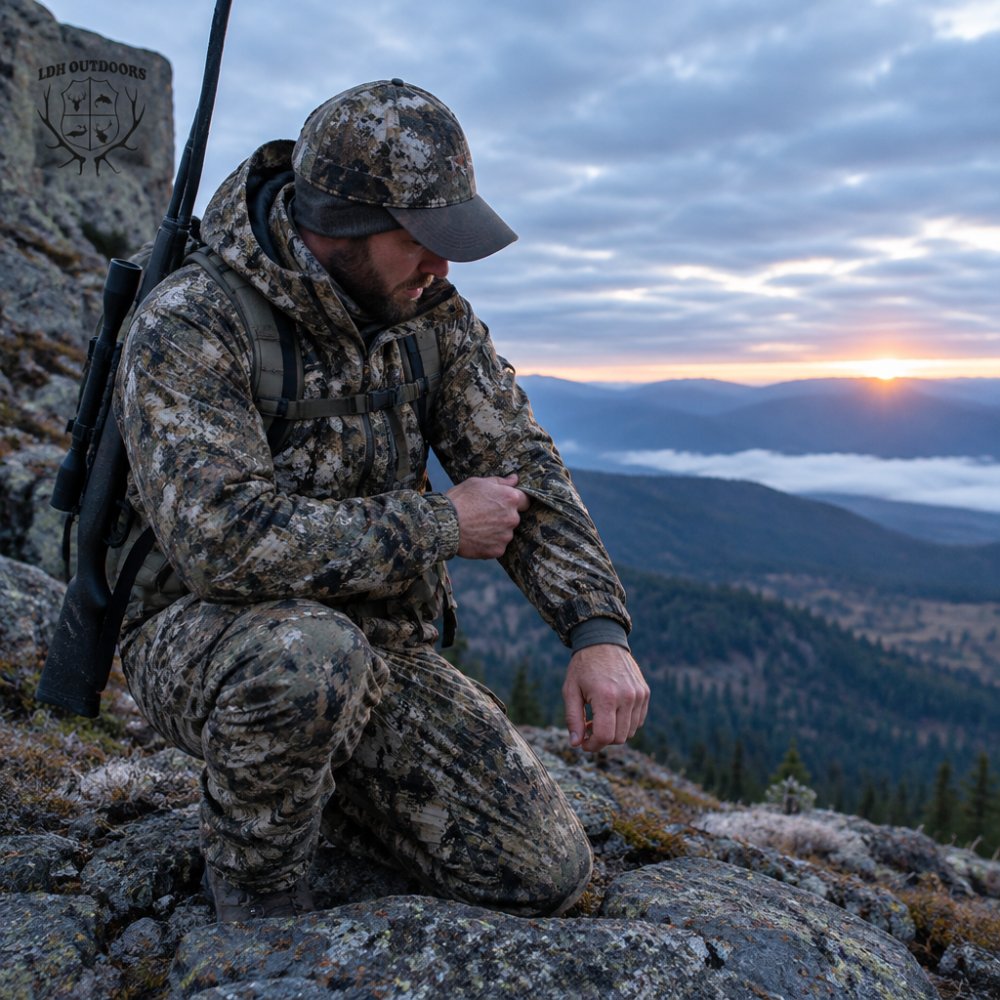
Match Materials to Weather and Terrain
Match your outer fabric to the worst weather you expect, not the average day. For wet conditions, look for water-resistant shells with taped seams. For dry cold, breathable insulation beats a heavy waterproof coat.
A simple rule: the rougher the terrain, the more you should care about abrasion resistance and snag resistance over light weight.
The Best Material for Hunting Clothes: Wool vs. Synthetics
The best material for hunting clothes depends on the layer. Wool wins for base layers and odor control. Synthetics win for durability, quick drying, and cost. Most hunters end up using both, and that mix usually beats picking one side.
Here's how the two stack up:
| Feature | Merino Wool | Synthetic Fabric |
|---|---|---|
| Warmth when wet | Good | Fair |
| Odor resistance | Excellent | Fair |
| Quick drying | Slow | Fast |
| Abrasion resistance | Fair | Good |
| Cost | Higher | Lower |
| Best layer | Base layer | Midlayer, outer |
Merino Wool: Warmth, Odor Control, and Moisture Management
Merino wool keeps you warm, resists odor, and manages moisture well. It absorbs sweat and releases it slowly, so you stay comfortable on multi-day hunts.
The trade-offs are real. Merino dries slower than synthetics, costs more, and wears faster in high-friction spots. Use it where comfort and odor control matter most: next to your skin.
Synthetic Fabrics: Quick Drying, Durability, and Cost
Synthetic fabrics dry fast, hold up to abuse, and cost less. Polyester and nylon blends shed moisture and resist abrasion better than wool. That makes them a smart pick for midlayers and outer shells.
Many modern synthetics use recycled polyester and recycled insulation, adding sustainability without hurting field performance. The one weakness is odor: synthetics hold smell, so wash them more often.
Durable Hunting Clothing for Harsh Conditions
Durable hunting clothing for harsh conditions combines a waterproof outer layer, breathable insulation, and reinforced high-wear zones. Get those three right and your gear survives wet, cold, and brushy hunts.
Waterproof and Water-Resistant Layers
A waterproof layer keeps rain and wet snow out. A water-resistant layer handles light moisture and dries fast. Know which one you're buying.
- Waterproof: sealed seams, coated fabric, blocks steady rain
- Water-resistant: sheds light rain, breathes better, lighter
- Windproof: cuts wind chill, often paired with insulation
For long, wet trips, a waterproof shell with taped seams earns its weight. For dry cold, a water-resistant softshell moves and breathes better.
Reinforced High-Wear Areas: Knees, Seat, and Cuffs
Reinforced knees, seat, and cuffs are where durable pants prove themselves. These zones take the most abrasion from kneeling, sitting, and scrambling. Look for doubled fabric or reinforced panels at each spot.
Cuffs collect brush and mud. Reinforced cuffs resist fraying. The seat wears thin from glassing and sitting. A reinforced seat adds seasons of life.
Construction Details That Separate Real Durability From Marketing
Construction details decide whether gear lasts, not the fabric name alone. Strong stitching, clean seams, and smart reinforcement matter as much as the material.
Vague construction terms like rugged or heavy-duty are hard to compare across brands. Look for construction features you can see, count, and compare.
Stitching, Seams, and Abrasion Resistance
Look closely at the stitching before you buy. Double stitching and bar-tacked stress points hold up far better than single rows.
Abrasion resistance and tear resistance come from fabric weave plus construction. Our look at hand-tied hunting gear reliability shows what actually holds up in the field.
A practical way to compare construction is to inspect five points on any garment or pack:
- Seam type: Flat-felled seams fold the raw edge inside and stitch through both layers, stronger and smoother than a simple overlock seam. Taped seams add waterproof tape over the stitch line on shells.
- Stitch density: More stitches per inch generally mean a stronger seam, but too many can perforate lightweight fabric. Compare the same seam location across two products and count the rows.
- Stress-point reinforcement: Bar tacks, box-X stitches, and rivets at pocket corners, belt loops, and strap attachments prevent small tears from becoming big failures.
Watch out: a jacket can advertise a premium shell fabric and still use a lightweight zipper and single-stitched pocket seams that fail first.
What Durability Ratings Actually Measure
When a product publishes test data, it usually comes from standardized methods. You don't need to memorize the numbers, but knowing what each test measures helps you compare claims.
- Abrasion resistance is commonly tested by rubbing fabric against an abrasive surface under controlled pressure and counting cycles until a hole or thread break appears. Higher cycle counts indicate longer wear.
- Tear strength measures the force needed to propagate a rip that has already started, which matters in brush where a snag becomes a tear.
- Seam strength tests how much pull a stitched seam withstands before it fails, often the real weak point in a garment.
Comparing two products on the same test beats comparing marketing language. If a brand publishes abrasion cycles, tear strength, and seam strength for the same fabric, that's a stronger signal than a single rugged claim. If no data is published, use the physical inspection checklist above.
Construction by Gear Component
Construction priorities shift by component, so do not judge every piece by the same checklist.
- Shells: Prioritize taped seams, storm flaps, and a zipper rated for the weather you expect. A shell's job is to keep water out, so seam treatment matters more than fabric weight.
- Pants: Prioritize reinforced knees and seat, articulated knees for mobility, and cuff protection, since these wear through first on rocky ground and in thick brush.
- Packs: Prioritize strap attachment points, bar-tacked webbing, and abrasion-resistant bottom panels, since the bottom takes the most ground contact.
Treating all hunting clothing as one category hides the fact that a shell, a pair of pants, and a pack fail in different places. Match the construction checklist to the job the piece actually does.
Ultralight Hunting Gear Without Sacrificing Durability
Ultralight hunting gear can stay durable if you pick the right fabrics and reinforcements. Lightweight doesn't have to mean fragile. The trick is spending your weight budget where it counts.
Ripstop's grid pattern is designed to stop small snags from becoming big rips.
Where ultralight gear fails is thin fabric in the wrong place. For elk hunters weighing the trade-off, our piece on whether lightweight gear for elk hunting is worth it digs into the real costs.
How to Care for Hunting Clothes So They Last
How you care for hunting clothes decides how many seasons they survive. Wash gear correctly and you protect waterproof coatings, insulation loft, and fabric strength. Care is also where most hunters lose performance without realizing it: a shell that still looks fine can have a compromised coating or clogged fabric.
Washing by Material
Different materials fail for different reasons, so the wash routine should change with the layer.
- Merino wool base layers: Use a wool-specific or mild detergent, cool water, and a gentle cycle. Avoid hot water and high heat, which shrink and felt wool. Skip fabric softener, which coats fibers and reduces moisture management.
- Synthetic base and midlayers: Wash in cool or warm water with a technical detergent. Synthetics hold odor, so wash after each heavy-use trip. Avoid chlorine bleach, which weakens fibers.
- Waterproof shells: Use a tech wash designed for waterproof-breathable fabric, not regular detergent, which leaves residue that attracts water and can mask breathability.
Watch out: washing waterproof gear in hot water with heavy detergent strips the durable water repellent finish and can leave fabric wetting out, which makes the shell feel clammy even when it is not leaking.
Restoring Water Resistance
Waterproof-breathable shells rely on a durable water repellent finish that makes water bead and roll off. That finish wears with use and washing.
- Wash the shell first so the finish can bond to clean fabric.
- Apply a spray-on or wash-in water repellent made for the fabric type, following the product directions.
- Tumble dry low or iron on low if the manufacturer allows it, since heat can reactivate the finish.
Re-treatment restores surface shedding but does not repair a damaged waterproof membrane. If water comes through the fabric rather than beading on it, the shell has a bigger problem than a worn finish.
Repair Before You Replace
Small failures are cheap to fix and expensive to ignore. A pinhole in a shell becomes a wet layer; a frayed cuff becomes a torn seam.
- Patching shells and pants: Use repair patches or tape made for the fabric. Clean and dry the area, round the patch corners to reduce peeling, and press firmly.
- Fixing seams and stress points: A simple hand stitch with heavy thread can extend the life of a seam that has started to open. Backstitch at both ends to lock the repair.
- Zipper repair: A zipper that separates behind the slider often needs a new slider rather than a full replacement.
Hunters often replace gear that only needed a patch, a new zipper slider, or a fresh water-repellent treatment. Treat repairs as routine maintenance, not a sign the gear is finished.
Storage That Protects Performance
- Store gear clean and fully dry. Damp storage grows mildew and weakens fabric and coatings.
- Hang shells and insulated pieces rather than compressing them for long periods, which preserves loft and coating integrity.
- Keep gear out of direct sunlight for extended storage, since ultraviolet exposure degrades synthetic fabrics and coatings over time.
Lifecycle Cost and Repairability
Care and repair connect directly to value. A shell that costs more up front but lasts several seasons with one re-treatment and a patch can cost less per season than a cheaper shell replaced every year.
Repairable gear with published care guidance delivers better long-term value than gear marketed only on initial price. Build care into your routine and you stretch years out of every layer.
Build a Layering System Around Durable Materials
Build a layering system from three parts: a base layer, a midlayer, and an outer layer. Each layer does a job, and durable materials keep the whole system working.
- Base layer: merino or synthetic, manages moisture and odor
- Midlayer: fleece or synthetic insulation, traps warmth
- Outer layer: waterproof or softshell, blocks weather and brush
Choose each layer for durability and function. A merino base under a synthetic midlayer under a tough shell handles most hunts. Our guide on building a modular hunting layering system walks through how to stack layers that last.
Shop Durable Gear Built for the Field
You've got the framework. Now match it to real gear. At LDH Outdoors, we build equipment designed by hunters for hunters.
Our Backpack Bow Sling ($29.95) is hand-tied in Oregon and attaches to most backpacks and compound bows, keeping your hands free on the trail. Our Meat Bags - 2 Pack ($50.00) use Airwave Ripstop material with heavy-duty stitching to protect your harvest.


Ready to gear up? Browse our full lineup of outdoor hunting gear and find what fits your hunt.
Frequently Asked Questions
What is the best material for hunting clothes?
There is no single best material, but merino wool and quality synthetics cover most situations. Merino wool resists odor and manages moisture well in cold, active hunts. Synthetic fabrics like recycled polyester dry faster and cost less. For durable hunting gear, look for a blend or layering system that pairs a merino base layer with a synthetic or softshell outer layer. Match the fabric to your weather and terrain rather than chasing one universal material.
Is wool or synthetic fabric better for hunting?
Wool wins on odor resistance and warmth when wet, while synthetics win on quick drying, abrasion resistance, and price. For long, cold hunts where you cannot wash gear, merino wool base layers stay fresher. For wet brush and rocky terrain, synthetic outer layers and reinforced softshells hold up better. Many hunters combine both: wool next to skin, synthetics on the outside, which balances comfort and durability.
How can you tell if hunting gear is built to last?
Check the construction, not just the fabric. Look for double-stitched or bar-tacked seams at stress points, reinforced knees and seat panels, and quality zippers with storm flaps. Feel the fabric weight and check for abrasion-resistant overlays on high-wear areas. Ask whether the material is ripstop or tear-resistant. Gear that lists specific construction details, like heavy-duty stitching and reinforced fabric, usually outlasts gear that only markets a brand name.
How should you care for hunting clothes to make them last longer?
Wash gear in cold water with a technical or scent-free detergent, skip fabric softener, and air dry whenever possible. Heat from a dryer breaks down waterproof coatings and elastic. Reapply DWR treatment when water stops beading on the surface. Inspect seams and zippers after each trip, repair small tears before they spread, and store gear clean and dry. Proper care for hunting clothes can add multiple seasons to a jacket or pair of pants.
The right materials make the difference between gear that lasts a season and gear that lasts for years. Start with your environment, match fabric to conditions, and check the construction before you buy. At LDH Outdoors, we build hand-tied, locally made equipment for hunters who put their gear through real abuse. Explore our Backpack Bow Sling, our washable meat bags, and the rest of our field-ready lineup. Get started with LDH Outdoors and carry gear you can trust.


